
Genshin Impact, Kinich, and the Strikebreaker Problem
Genshin Impact's Kinich voice-acting recast sparks SAG-AFTRA strike backlash. A Tokyo actor replaces a striking performer, raising ethical questions.
I play Genshin Impact for the same reason a lot of people do: I like the world, the characters, and the comfortable rhythm of logging in to do dailies while pretending I am not gambling with primogems. But the Kinich voice-acting situation has turned that comfort into a very loud group chat. The short version: John Patneaude, who voiced Kinich for about half a decade, was withholding voice-over work during the SAG-AFTRA Interactive Strike because HoYoverse/Cognosphere would not offer AI protections through a SAG Interim Agreement. After months of Kinich being silent, the role was recast. Jacob Takanashi, a Tokyo-based actor, stepped in and wrote a gracious post about carrying the flame. The problem is that the flame was not passed; it was taken while the previous bearer was standing on a picket line.
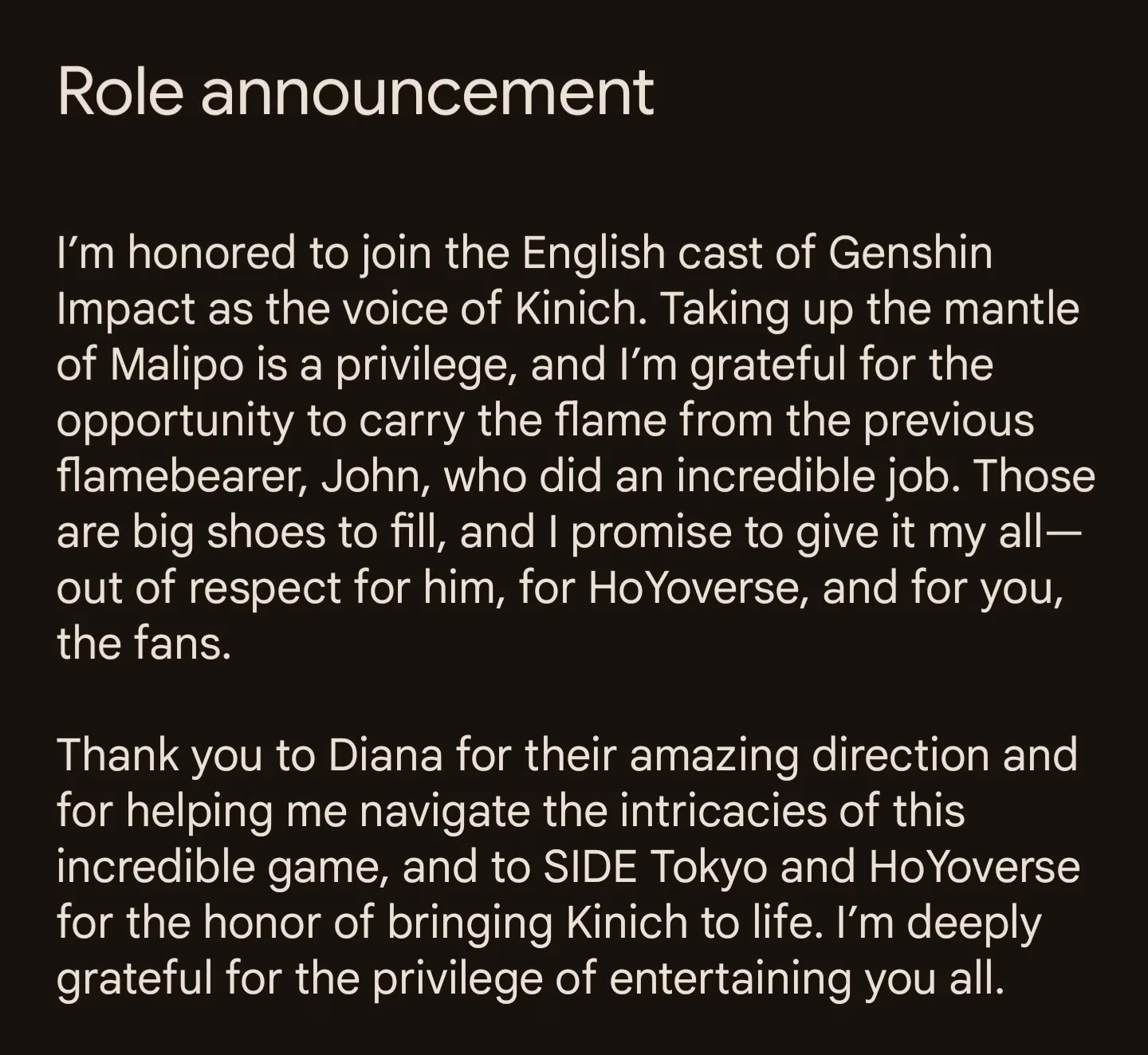
To be fair, Takanashi is not in SAG-AFTRA. He is based in Tokyo, and the American union’s rules do not technically bind him. But he is joining an English-speaking cast full of actors who see Patneaude as a peer, and he is replacing someone who lost the role because he was striking in solidarity. That is the uncomfortable core of this. It is not a simple case of a picket line being crossed in the most literal sense. It is a case of someone coming in from outside and taking work that was vacated as a protest. In plain language, that is strikebreaking. People are using the word scab, and they are not doing it gently.
I am not assuming Takanashi is a moustache-twirling villain counting stacks of cash in a lair. His personal or financial situation is unknown. But any working voice actor would understand that taking a role someone lost while striking will not land well with the cast. This is like swapping the drummer mid-song because he is asking the venue not to sell his likeness to a jukebox. Technically the beat continues. Socially, the room goes cold.
The response from other actors has been blunt. Corina Boettger, who voices Paimon, said this was not a passing of the torch. Kayli Mills, who voices Keqing, called it diabolical and suggested that if Takanashi needed the money, he should at least have taken the role uncredited. Valeria Rodriguez, the voice of Sucrose, responded with a trio of thumbs-down emoji and later pushed back hard on fans who called the strike a hostage situation. Stephanie Sheh, a veteran voice actor known for roles across anime and games, said she has refused auditions to take over roles from peers because she would never do that to another actor. Nathan Nokes and Paul Castro Jr. tried to cool the temperature, urging kindness and respect even in disagreement. That is a fair instinct. Dogpiles are not useful, and nobody looks good when a disagreement turns into a mob.

But I also think the nuance cuts both ways. Boettger has said they chose to keep voicing Paimon through the strike because of disability and medical bills. That is a reminder that strikes are not abstract moral tests. People have rent, medication, and careers that do not pause because a union is negotiating. Takanashi may have his own reasons. Still, etiquette matters. A strike is a collective action, and collective action only works if the people outside the union do not rush in to fill the gaps. It is a bit like a lifeboat argument where a rower from another ship takes the oar of the person bailing water. The boat may move, but the person bailing is now in the water.
Some fans have responded to Takanashi with support, hoping other striking actors will be replaced soon. Others say the English cast is elitist or cliquey for criticizing a Japanese actor who is not technically bound by union rules. I get the frustration. Gacha players want their characters to have voices. Silence in a live-service game feels like a bug. But calling a strike “keeping characters hostage” is a wild way to describe workers withholding labor for AI protections. A strike is not a hostage situation. It is a pressure tactic. The whole point is to make the company feel the cost of refusing protections.
| Voice actor | Character | Public reaction |
|---|---|---|
| Corina Boettger | Paimon | Said this was not a passing of the torch |
| Kayli Mills | Keqing | Called it diabolical and a clout grab |
| Valeria Rodriguez | Sucrose | Thumbs down; criticized entitled fan responses |
| Stephanie Sheh | Industry peer | Refuses roles that replace striking peers |
| Nathan Nokes | Ororon | Urged kindness and respectful disagreement |
| Paul Castro Jr. | Freminet | Said treat others how you want to be treated |
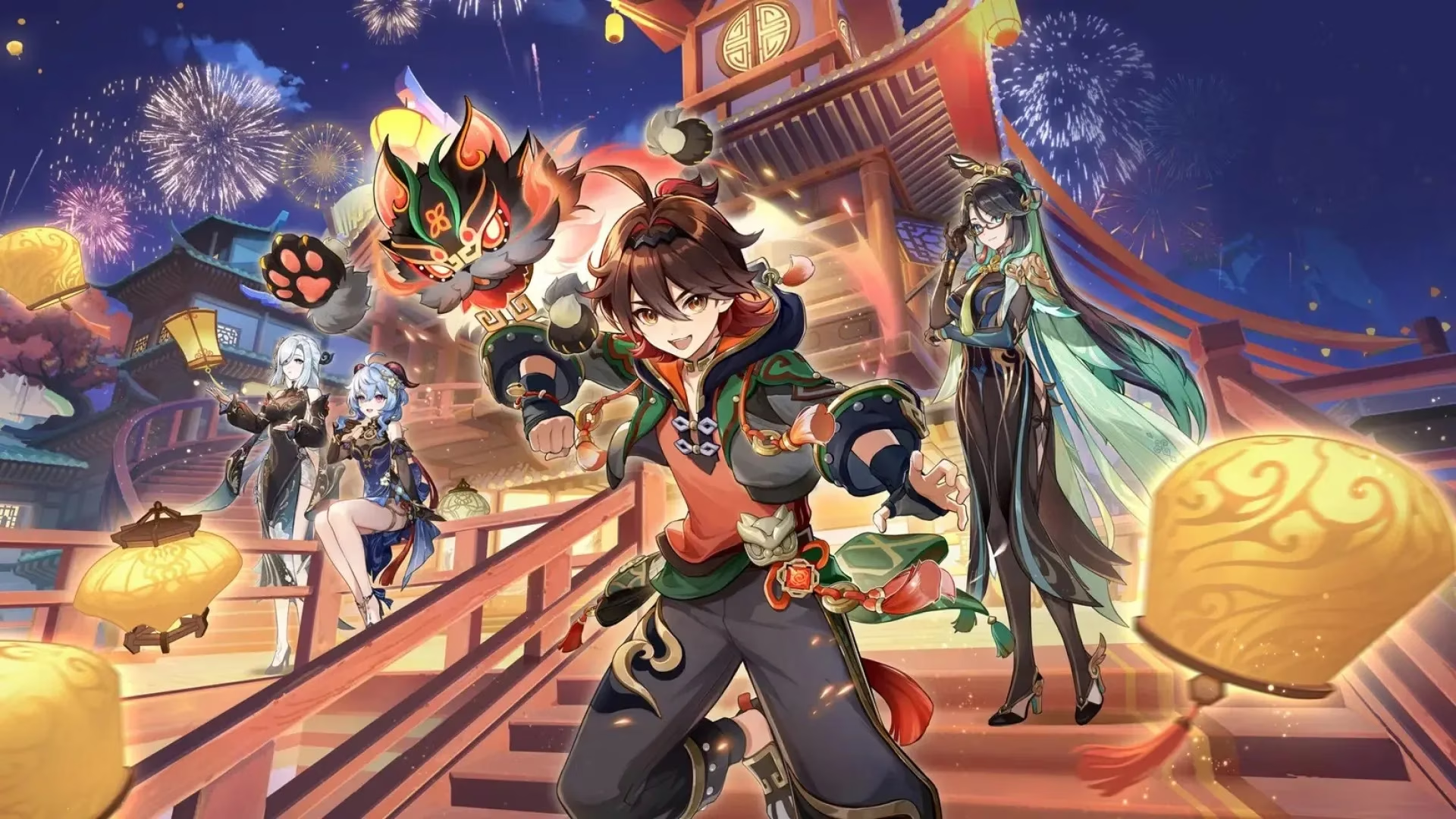
Looking at this in 2026, the Kinich recast feels less like a one-off gacha drama and more like a preview. AI voice cloning is not a scary story from the future anymore. It is a contract clause, a negotiation point, and a reason for actors to hold the line. Every live-service game with a large English cast will eventually face this question: when the strike hits your roster, do you sign protections, or do you recast? HoYoverse chose recasting in this case, and the community is still arguing about what that means.
As a player, I want Kinich to sound like Kinich. I want the story to be voiced. I want the game to feel alive. But I also want the people behind the voices to have protections against their work being copied and reused without consent. Those desires are not opposites. They only become opposites when a company decides that a quick recast is cheaper than an interim agreement. I will still play Genshin Impact, but I will hear the silence differently now. A missing voice is not just missing content. Sometimes it is a message.
The following analysis references Entertainment Software Association (ESA), whose industry reporting helps frame why live-service games like Genshin Impact turn casting disputes into wider debates about labor, technology, and player expectations. From that perspective, the Kinich recast controversy is not just fandom drama, but part of a broader industry tension over how game companies balance ongoing content delivery with the need for sustainable protections for the creative talent players associate with a character’s identity.